Do I need underlayment for laminate on plywood?
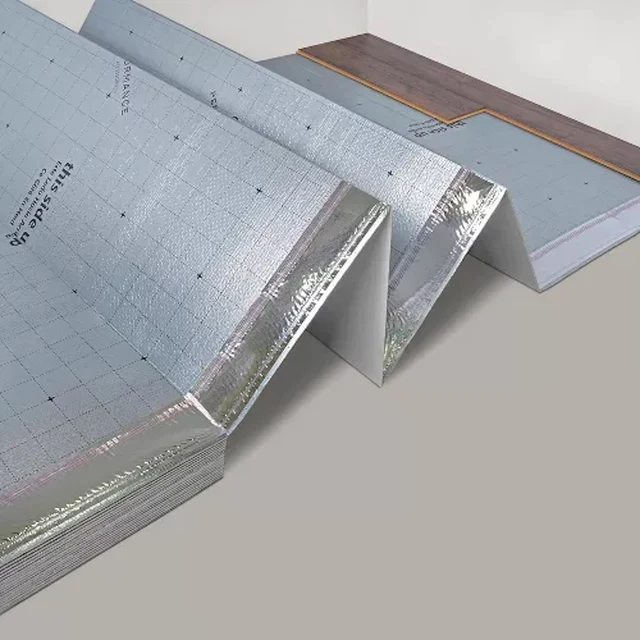
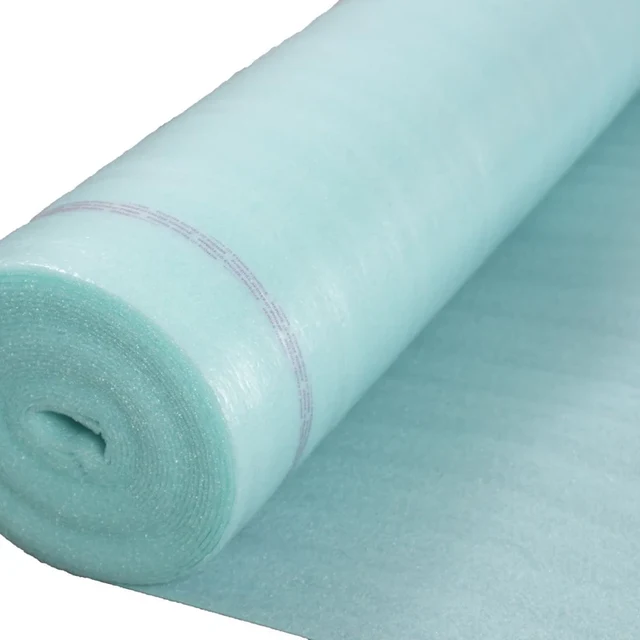
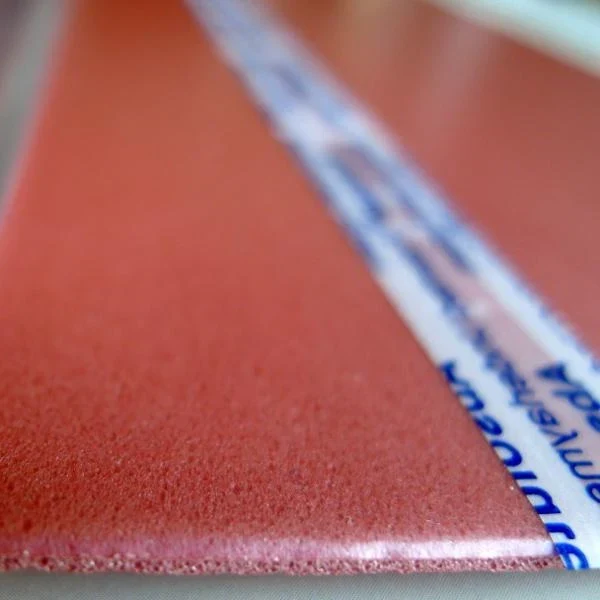
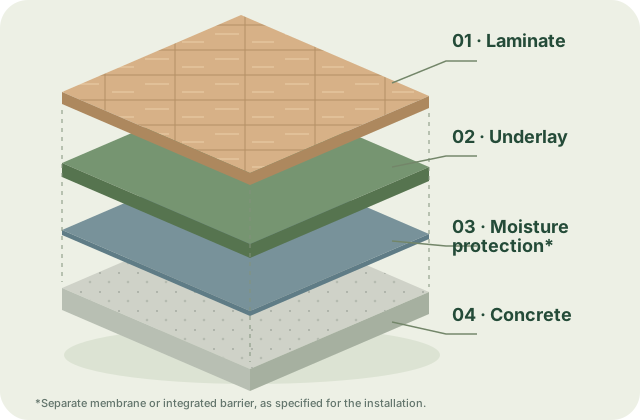
Check the laminate’s required layer system and whether it has an attached pad. Plywood identifies the substrate; it does not establish that a particular laminate and separate roll are approved together.
Prepare the questions before buying
- Identify whether the actual substrate is plywood, OSB or existing boards.
- Check the floor manual’s preparation, moisture and flatness requirements. Repair or preparation is a separate task from buying a roll.
- Confirm whether the selected floor needs separate underlayment, and which products or specifications it permits.
- Check any moisture membrane and heating requirements for this exact installation rather than borrowing a concrete-floor rule.
Underlayment is not a substitute for subfloor preparation
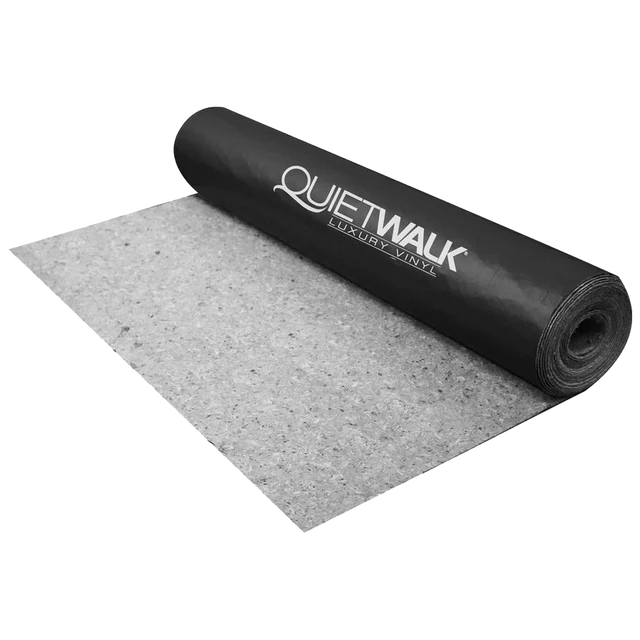
MP Global’s standard QuietWalk installation guidance calls for a flat, clean, smooth and dry substrate. Compare the floor and underlayment instructions before choosing a product to address an uneven surface.
Attached pad changes the question
Find the flooring manufacturer’s additional-cushioning rule before adding a second layer. A product described as suitable for floating floors does not answer that rule for every laminate.
Calculate rolls after confirming the product
For two non-overlapping sections of 12 × 10 ft and 8 × 5 ft, the area is 160 sq ft. A 10% example allowance gives 176 sq ft. At 100 sq ft per roll, order two rolls; follow the exact instructions for joints and perimeter details.